
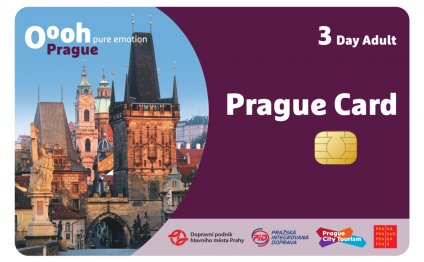
Prague Information
1939-1945: Occupation of Czechoslovakia by Nazi Germany.
1945: The Prague uprising plus the "liberation" of Prague by the Soviet army.
1948: Czechoslovak coup d'état - Communist celebration of Czechoslovakia, with Soviet backing, assumes control of the nation, causing four years of communist dictatorship.
1968: Prague Spring - period of governmental liberalisation lead by Alexander Dubček, who was chosen the First Secretary regarding the Communist Party of Czechoslovakia. Efforts to reform communism were eventually thwarted by the invasion of Czechoslovakia by the Soviet Union and other members of the Warsaw Pact.
1989: The Velvet Revolution, so named because it is non-violent, starts on 17th November. Student as well as other preferred demonstrations against communism bring about the failure of communist guideline, plus the nation's transformation to a parliamentary democracy. Vaclav Havel is chosen President of Czechoslovakia.
1990: very first no-cost elections following the communist age.
1993: January 1, Czechoslovakia splits in 2 and Czech Republic is established.
1993: January 26, Vaclav Havel elected very first president associated with Czech Republic.
1999: March 12, Czech Republic becomes an associate of NATO.
2004: May 1, Czech Republic joins europe (E.U.).
2008: January 1, Czech Republic accedes towards the Schengen agreement and removes interior borders with Schengen area nations. This allows go to and from these countries without checks, both at land edges and airports.
Source: www.pragueexperience.com
RELATED VIDEO

FAMU Prague Information Session: Courses & Credits
FAMU Prague Information Session: Pre-requisites for ...

FAMU Prague Information Session: Shooting on Film
Share this Post
Related posts

Cloud 9, Prague
NOVEMBER 10, 2026
Stayed for a week regarding government degree. The rooms about this amount are bigger and notably convenient than the thing…
Read More
What is in Prague?
NOVEMBER 10, 2026
Representing the Sunlight Foundation, I went to a gathering of governmental finance experts on April 22 in Prague. The event…
Read Morelatest post
-
 Prague Information November 10, 2026
-
 Tips in Prague November 4, 2026
-
 InterContinental Hotel Prague Czech Republic October 29, 2026
-
 Travel from Prague to Cesky Krumlov October 23, 2026
-
 Prague - When to go October 17, 2026
-
 Kings Hotel Prague October 11, 2026
-
 Czech Republic Prague October 5, 2026
-
 What to see and do in Prague? September 29, 2026
-
 Don Giovanni Hotel Prague September 23, 2026